
State and Local Billboard Procurement: Winning High-Margin Outdoor Media Government Contracts
State, Local, and Education (SLED) government entities invest hundreds of millions of dollars annually in out-of-home (OOH) media campaigns. From state departments of transportation (TxDOT) running highway safety initiatives to municipal public health departments, transit authorities, and regional lottery commissions, government agencies require high-impact physical and digital billboard assets to broadcast critical public messaging.
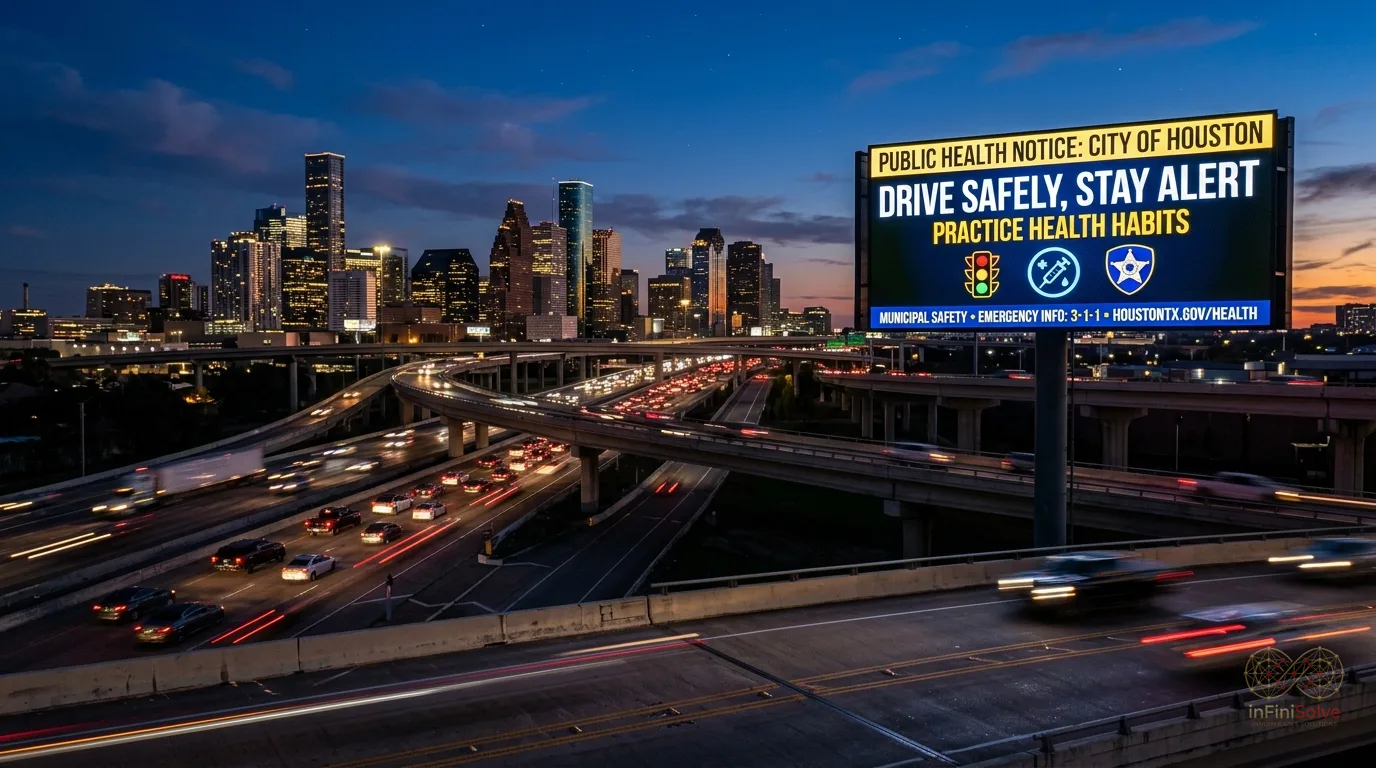
For media operators, advertising concessionaires, and government contracting primes, SLED billboard solicitations represent high-margin, multi-year recurring revenue contracts shielded from the volatility of commercial spot advertising. However, winning these public sector contracts demands far more than prime real estate. Contractors must navigate complex highway beautification statutes, right-of-way (ROW) lease agreements, cooperative purchasing schedules, and rigorous minority/small business enterprise set-aside mandates. This comprehensive guide outlines the operational frameworks, regulatory compliance rules, and proposal strategies required to dominate state and local outdoor media procurements.
- --
Table of Contents 1. The SLED Billboard Market: Scope and Government Buying Centers 2. Physical vs. Digital Out-of-Home (DOOH): How Public Agencies Evaluate Media 3. Regulatory Hurdles: Highway Beautification and Municipal Zoning 4. Mastering SLED Proposal Scoring: Pricing, Reach, and Equity Goals 5. Contract Vehicles and Cooperative Purchasing (BuyBoard, Sourcewell, Texas DIR) 6. Post-Award Operational SLAs and Proof-of-Performance (POP) Delivery 7. Frequently Asked Questions (FAQ) 8. Related InfiniSolve Insights
- --
The SLED Billboard Market: Scope and Government Buying Centers
Unlike private enterprise advertisers who purchase outdoor media based purely on commercial ROI or brand affinity, state and local public bodies buy media to achieve regulatory compliance, community outreach, and civic safety objectives. The primary government buying centers include:
- State Departments of Transportation (DOTs): Agencies such as TxDOT, South Carolina SCDOT, and Caltrans deploy extensive federal and state grant dollars on anti-drunk driving, seatbelt enforcement ("Click It or Ticket"), and work-zone safety initiatives.
- Municipal Health & Human Services (HHS): City and county health authorities buy targeted billboard networks to disseminate immunization notices, emergency heat advisories, behavioral health hotlines, and vector control campaigns.
- Regional Public Transit Authorities (VIA, CapMetro, Houston METRO): Transit authorities procure advertising contractors through long-term revenue-share concession contracts, generating non-farebox revenues across bus shelters, rail pillars, and roadside billboard structures.
- State Lotteries & Tourism Bureaus: These entities represent the largest discretionary public media spenders, seeking high-traffic expressway digital displays to stimulate economic development and gaming ticket sales.
- Higher Education Institutions & Community College Districts: Public universities utilize out-of-home media for student enrollment drives, alumni fundraising campaigns, and community athletics visibility.
- --
Physical vs. Digital Out-of-Home (DOOH): How Public Agencies Evaluate Media
While traditional static vinyl bulletins remain viable for long-term branding, municipal buyers are overwhelmingly transitioning toward Digital Out-of-Home (DOOH) networks due to flexibility, dynamic scheduling, and real-time emergency messaging capabilities.

When responding to an RFP, contractors must articulate how their technical inventory satisfies modern public agency standards:
- Dynamic Public Service Overrides (Amber Alerts & Weather Disasters): Public agencies heavily favor proposals offering guaranteed, API-driven automated emergency preemptions. Demonstrating that your digital network can display an Amber Alert or severe flash flood warning within 60 seconds of receiving an automated CAP (Common Alerting Protocol) feed gives your proposal an unbeatable technical advantage.
- Geographic Demographic Targeting (Census & Geofencing): Utilizing U.S. Census Bureau demographic mapping and mobile device location analytics to demonstrate that billboard placements reach historically underserved populations or specific language-speaking corridors aligns directly with Title VI civil rights mandates.
- Dayparting & Real-Time Campaign Optimization: State transit and DOT agencies require time-sensitive messaging (e.g., morning rush-hour transit warnings versus late-night sobriety campaigns). Highlighting dynamic dayparting capabilities reduces wasted taxpayer media spend.
- --
Regulatory Hurdles: Highway Beautification and Municipal Zoning
Outdoor advertising is one of the most heavily regulated industries in the United States. Inadvertently bidding billboard inventory that lacks verified statutory permitting will trigger immediate bid rejection or contract termination:
- The Federal Highway Beautification Act (23 U.S.C. § 131): Mandates strict spacing, lighting, and size restrictions on billboards erected within 660 feet of Interstate and Federal-Aid Primary highway rights-of-way.
- State Administrative Code Licensing: In Texas, for example, outdoor advertising operators must hold an active commercial sign permit issued by the TxDOT Right of Way Division under Title 43 of the Texas Administrative Code. Solicitations routinely demand certified copies of state permits with submission packages.
- Local Municipal Sign Ordinances: Cities frequently impose caps on digital sign luminance (typically restricting maximum brightness to 0.3 foot-candles over ambient light at dusk) and enforce dwell-time rules (mandating static slide durations of 6 to 8 seconds with instantaneous transitions).
- Lighting Pollution and Dark Sky Compliance: In regions near military installations, astronomical observatories, or designated natural habitats, government buyers mandate downward-directed shielding or automated ambient-light sensor dimming.
- --
Mastering SLED Proposal Scoring: Pricing, Reach, and Equity Goals
State and local government proposals are evaluated under strict Best-Value or Lowest-Price-Technically-Acceptable (LPTA) evaluation rubrics. To maximize evaluation scoring across Section M criteria, contractors must optimize three pillars:

- Audited Impressions and Rate Transparency: Government buyers cannot legally accept vague impression estimates. Your cost volume must provide certified Geopath audited weekly impression numbers, effective Cost-Per-Thousand (CPM), and transparent net agency discounts.
- Bonus Value & Agency Matching Credits: Standard SLED procurement policy encourages contractors to include "bonus space" or unsold inventory matching programs. Offering a 10%–20% complimentary rotational credit on digital boards when emergency public service capacity allows often tips a tied scoring panel in your favor.
- Supplier Diversity & Small Business Subcontracting: Large municipal contracts in cities like San Antonio, Houston, Dallas, and Austin require formal compliance with local supplier diversity programs (such as the City of San Antonio SBEDA ordinance or Texas State Historically Underutilized Business - HUB goals). Partnering with certified MBE, WOSB, or SBE fabricators and installers can make up 10% to 20% of your total evaluation points. To understand these equity frameworks, review our guide on Navigating Texas Local Small Business Certifications.
- --
Contract Vehicles and Cooperative Purchasing (BuyBoard, Sourcewell, Texas DIR)
Bypassing the lengthy, arduous formal RFP cycle is often possible by leveraging pre-competed cooperative purchasing agreements. Municipal purchasing directors frequently prefer buying media space off established cooperative contracts:
- Sourcewell & Omnia Partners: National purchasing cooperatives that host pre-vetted marketing, public communications, and outdoor media agreements accessible to thousands of cities, counties, and school districts nationwide.
- Texas BuyBoard Cooperative: Administered by the Texas Association of School Boards (TASB), BuyBoard allows local Texas municipalities, utility districts, and school boards to purchase goods and digital advertising services without issuing an independent solicitation.
- Statewide Master Contracts: In states like South Carolina (via SCEIS master contracts) and Texas (via the Texas Comptroller's Statewide Procurement Division), holding a statewide outdoor media contract permits any public entity in the state to execute piggyback purchase orders directly.
Contractors seeking high-margin recurring work should focus their business development teams on securing positions on these cooperative master agreements.
- --
Post-Award Operational SLAs and Proof-of-Performance (POP) Delivery
Winning the contract is only half the battle. Government auditing standards require undeniable proof that taxpayer dollars were expended in strict accordance with the contract terms. Failure to deliver proper proof-of-performance (POP) documentation will freeze invoicing and trigger payment clawbacks:
- Automated High-Resolution Web-Cam POP Capture: For digital boards, supply automated, timestamped high-resolution photos of the client’s creative running live on the board within 24 hours of campaign launch.
- Third-Party Independent Verification (Geopath & Ad-Server Logs): Deliver comprehensive monthly reporting packages containing verified play logs, ad-server timestamps, total delivered impressions, and geographic reach metrics.
- Make-Good Protocols for Outages: SLED contracts contain stringent service level agreements (SLAs) regarding technical downtime. If a digital board fails or undergoes utility outages for more than 4 consecutive hours, immediate make-good credits or equivalent impressions across higher-tier boards must be executed.
- Audit-Ready Billing Packages: Ensure that every invoice matches the exact purchase order line items, includes signed affidavits of performance, and aligns with state prompt-payment deadlines under the Texas Government Code Chapter 2251.
- --
Frequently Asked Questions (FAQ)
Q1: What agencies spend the most money on billboard procurement? A1: State Departments of Transportation (DOTs), municipal public health departments, regional transit authorities, and state lottery commissions represent the largest annual buyers of out-of-home advertising in the public sector.
Q2: Are digital billboards preferred over static billboards in government bids? A2: Yes. Government agencies favor digital out-of-home (DOOH) displays because they support dynamic scheduling, rapid emergency public service overrides (Amber Alerts and weather warnings), and multi-lingual campaign rotations.
Q3: What permits are required to provide billboard advertising to state agencies? A3: Contractors must hold valid commercial sign permits issued by the state DOT Right of Way division, comply with the federal Highway Beautification Act, and satisfy municipal zoning luminance and dwell-time regulations.
Q4: How are SLED billboard proposals typically scored? A4: Proposals are evaluated on cost-effectiveness (effective CPM), verified audited geographic impressions (via Geopath), dynamic emergency messaging capabilities, past performance, and small/minority business enterprise (MBE/HUB) participation.
Q5: Can local governments buy billboard media without issuing a new RFP? A5: Yes. Public entities frequently use national and state cooperative purchasing agreements (such as Sourcewell, Omnia Partners, or Texas BuyBoard) to procure advertising services from pre-vetted vendors under established discount rate cards.
Q6: What documentation is required to receive payment on a government billboard contract? A6: Contractors must submit an official invoice alongside audited Proof of Performance (POP), timestamped photographic evidence of creative live on display, and detailed play-server delivery logs.
- --
Related InfiniSolve Insights - FAR Part 13 Simplified Acquisition: How Small Contractors Win 72-Hour Quick-Quotes - Responding to Government Cure Notices: How Contractors Remediate Deficiencies - Federal Contract Terminations: T4C vs. T4D Explained - GAO Bid Protests: Rules, Timelines, and Winning Strategies
Ready to dominate your sector?
Partner with InfiniSolve to architect a digital footprint that wins contracts and captures market share.
Schedule Strategy Session