
Mastering Euna & Bonfire Portals: Winning County & Municipal Bids
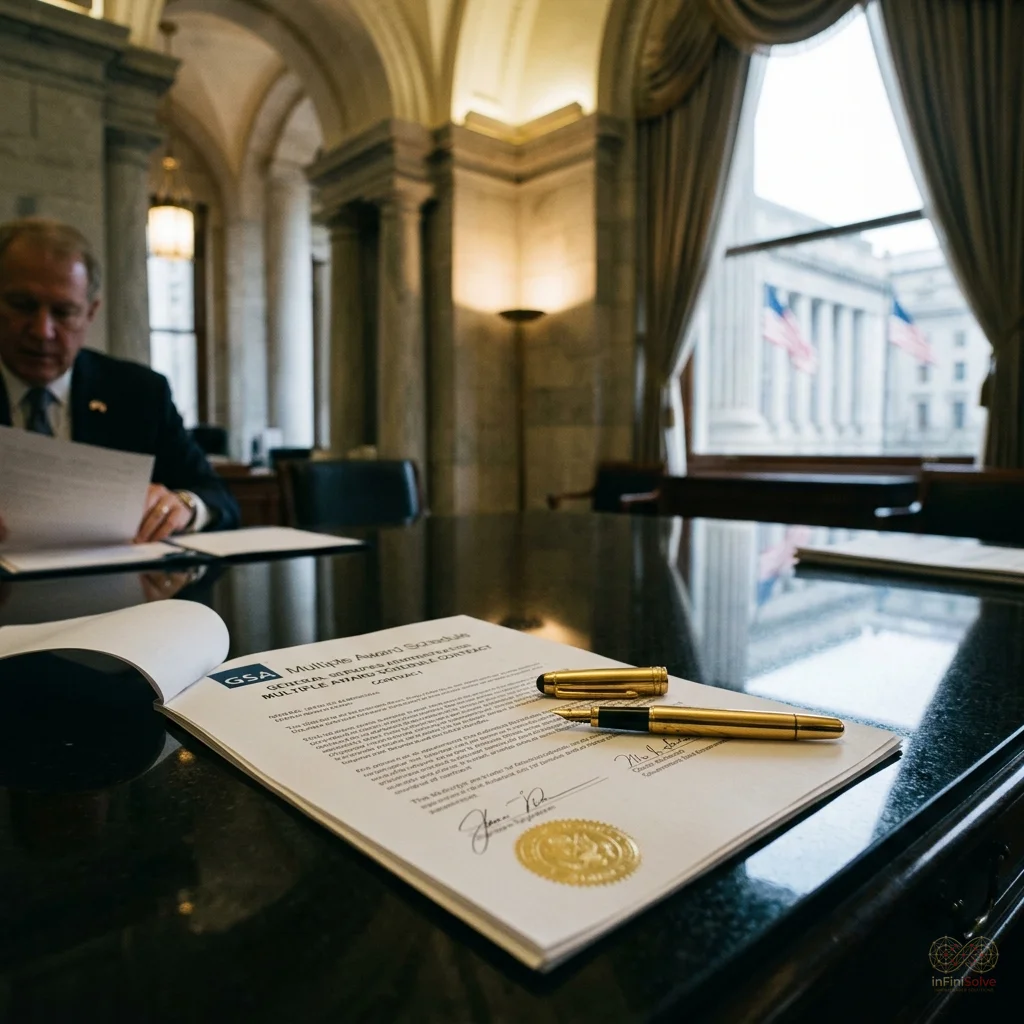
State, county, and municipal government agencies across North Americau2014including Hillsborough County FL, Broward County FL, Fort Bend ISD TX, and Northside ISD TXu2014increasingly rely on modern e-procurement platforms like Euna Procurement and Bonfire Interactive to manage bid solicitations, vendor questionnaires, and proposal evaluations.
1. The Rise of Electronic Procurement Portals
Table of Contents

1. Executive Summary & Regulatory Framework
Euna Procurement (formerly GTY Technology / Bonfire Interactive) provides cloud-based bid management software for over 500 public-sector agencies. Electronic procurement streamlines proposal submission, but imposes strict formatting rules and hard electronic deadlines down to the exact second.
Federal procurement frameworks published on acquisition.gov encourage standardized electronic submission workflows to enhance transparency.
2. Navigating Bonfire Excel Questionnaires & Bid Tables
Bonfire solicitations frequently utilize automated Excel templates (`Q-Series Questionnaires` and `BT-Series Bid Tables`) to ingest vendor compliance data and pricing models:
- Dropdown Validation: Always select pre-configured dropdown options (e.g., "Agree", "Yes-Information Provided") rather than typing free-form text.
- Sheet Protection Integrity: Never add, delete, or rename worksheet tabs, as automated parser scripts will fail to read altered cell coordinates.
- Firm Fixed Pricing: Populate bid tables with complete line-item rates to prevent bid rejection due to incomplete pricing.
Guidelines cataloged by the Small Business Administration (SBA) emphasize pre-submission spreadsheet audits.
3. Compliance Document Staging & Digital Signatures
Municipal solicitations mandate 1-to-1 upload mapping into designated portal slots: - Separated PDF Chapters: Splitting comprehensive technical proposals into discrete upload slots (Executive Summary, Technical Plan, Staff Qualifications, Milestones). - Digitized Blue Signature Ink: Ensuring all affidavit signatures (W-9, Form 1295, Conflict of Interest, Drug-Free Workplace) feature high-resolution blue signature overlays on printed line baselines. - Certificate of Insurance (COI): Attaching active COI documents matching exact agency holder addresses and required $1M/$2M coverage thresholds under cybersecurity rules from CISA.
4. Avoiding Common E-Procurement Disqualification Traps
Common portal pitfalls that lead to immediate bid rejection include: - Unacknowledged Addenda: Failing to check "Yes" to acknowledge posted bid addenda in the portal interface. - Clock Discrepancies: Waiting until the final hour of submission; portal servers automatically lock out submissions at 10:00:00 AM or 2:00:00 PM EST/CST. - Corrupted PDF Renders: Uploading password-protected or corrupt PDF files that cannot be viewed by evaluation committee members.
Advanced Risk Mitigation & Contract Performance Strategy
In federal and defense acquisition, contract execution extends far beyond initial proposal submission. Winning contractors maintain continuous risk management protocols throughout the performance lifecycle:
- FAR & DFARS Compliance Monitoring: Continuously audit corporate accounting, cybersecurity, and labor compliance against updated Federal Acquisition Regulation (FAR) and DFARS clauses incorporated into Section I of federal contracts.
- Scope Creep & Change Order Protection: Require all scope modifications, government-caused delays, or constructive changes to be formally documented via written Contracting Officer Direction before incurring additional corporate costs.
- Teaming & Subcontractor Governance: Execute robust Contractor Team Arrangements (CTAs) and Subcontract Agreements that flow down mandatory FAR clauses, proprietary data protections, and SBA small business performance rules.
- DCAA & DCMA Audit Preparedness: Maintain continuous audit trails for labor timekeeping, direct/indirect cost allocations, and billing invoices to satisfy Defense Contract Audit Agency (DCAA) pre-award and post-award reviews.
San Antonio & Texas Regional B2G Execution Roadmap
For government contractors competing across Texas defense commands—including Joint Base San Antonio (JBSA Fort Sam Houston, Lackland AFB, Randolph AFB, and Camp Bullis)—and state agency procurement portals (Texas DIR & Bonfire), achieving market dominance demands a 5-phase capture framework:
- Pre-Solicitation Market Research: Monitor active agency forecasts, Freedom of Information Act (FOIA) historical pricing, and pre-solicitation announcements on SAM.gov 6 to 18 months prior to RFP release.
- Contracting Officer Engagement: Participate in agency Industry Days, submit capability white papers, and respond to Sources Sought / RFI announcements to help shape government evaluation rubrics.
- Optimized Wrap Rate & Pricing Models: Benchmark fully burdened labor rates using historical transaction data from FPDS.gov, building competitive wrap rates that protect corporate margins.
- Proposal Color Team Rigor: Execute structured Pink Team (strategy), Red Team (compliance & scoring), and Gold Team (final sign-off) reviews to ensure 100% compliance with Section L instructions and Section M evaluation criteria.
- Post-Award CPARS Management: Deliver exceptional technical performance to secure Outstanding CPARS ratings, creating an unbeatable past performance moat for future re-competes.
5. Frequently Asked Questions (FAQ)
Q1: What happens if a submission is interrupted by internet failure at deadline time? A1: Portal deadlines are strictly enforced by system servers. If a submission is not 100% completed and receipted before the deadline clock strikes, the system automatically locks out the bid.
Q2: Can a vendor modify a Bonfire proposal after uploading? A2: Yes. Proposals can be un-submitted, updated, and resubmitted any number of times prior to the official solicitation close deadline.
Q3: Why do Bonfire Excel questionnaires fail to upload? A3: Questionnaires fail if sheet names, hidden metadata columns, or formula cells are altered. Vendors must download original templates and input data exclusively into designated white cells.
Q4: How is a Bonfire submission confirmation verified? A4: Upon successful submission, the portal generates a unique electronic Confirmation Code (e.g., `CDcSNzk1`) and sends an automated receipt email.
Q5: Are state vendor registrations required before uploading on Bonfire? A5: Most portals require active agency vendor account registration and Commodity Code (NIGP/NAICS) selection prior to proposal upload.
6. Related InfiniSolve Insights - SC State Solicitation Strategy: Digital Billboards - Texas Public School District RFPs - GovCon Pricing Strategies: Wrap Rates & Margins

3. San Antonio & Texas Defense Market Capture Strategy
In the San Antonio defense corridor—widely recognized as Cyber City, USA—federal procurement spending across Joint Base San Antonio (JBSA Fort Sam Houston, Lackland AFB, Randolph AFB, and Camp Bullis) represents a multi-billion dollar market. Defense agencies including the Air Force Life Cycle Management Center (AFLCMC), the 502d Air Base Wing, the 16th Air Force (Air Forces Cyber), and the Defense Health Agency (DHA) demand rigorous technical compliance and proven past performance.
Contractors competing for regional defense opportunities or state contracts under the Texas Department of Information Resources (DIR) and Texas Bonfire Euna Procurement networks must align their capture strategy with federal acquisition regulations. Leveraging certified small business set-aside pools under SBA regulations, maintaining audited wrap rates under FAR guidelines, and establishing pre-bid relationships with Contracting Officers are essential operational requirements for long-term market dominance.
4. San Antonio Defense Contractor Compliance Audit Checklist
To ensure 100% compliance with federal acquisition standards and optimize win probabilities on competitive bids, capture and proposal teams must execute the following 7-checkpoint audit:
- [ ] Regulatory Alignment: Verify that proposal narratives map strictly to Section L instructions and Section M evaluation rubrics under FAR guidelines.
- [ ] Contracting Officer Engagement: Engage with buying commands during pre-solicitation market research phases to shape requirements and clarify scope.
- [ ] Teaming & Subcontracting Compliance: Verify that teaming agreements and Contractor Team Arrangements (CTAs) adhere to SBA performance limitations (e.g., 50% work share rule).
- [ ] Audited Accounting System: Maintain a DCAA-compliant accounting system capable of segregating direct and indirect costs for cost-reimbursement and T&M contracts.
- [ ] Past Performance CPARS Tracking: Document exceptional performance metrics on existing contracts to build high-scoring CPARS past performance narratives.
- [ ] Local San Antonio & Texas Portals: Monitor active solicitations across SAM.gov, GSA eBuy, Texas Bonfire, and local municipal portals daily.
- [ ] Post-Award Execution Review: Conduct post-award debriefings with Contracting Officers to refine pricing models and technical narratives for future task order bids.
5. Frequently Asked Questions (FAQ)
Q1: How does this strategy apply to defense contractors in San Antonio? A1: San Antonio defense contractors supporting JBSA installations can apply these regulatory frameworks to improve proposal compliance, reduce protest risks, and win higher-margin task orders across AFLCMC and DHA procurements.
Q2: What is the single biggest failure point on federal bids? A2: Non-compliance with RFP instructions (Section L) and evaluation criteria (Section M). Failing to address mandatory technical requirements or submitting unverified pricing wrap rates results in immediate disqualification.
Q3: How early should capture management begin before RFP release? A3: Capture management should begin 6 to 18 months prior to target contract expiration, allowing your team time to conduct FOIA research, engage Contracting Officers, and form strategic teaming partnerships.
Q4: Are small business set-asides available for these contracts? A4: Yes. The federal government mandates that 23% of prime contracting dollars be awarded to small businesses, including dedicated set-asides for 8(a), HUBZone, SDVOSB, and WOSB certified firms under SBA rules.
Q5: How can contractors protect proprietary technical solutions in proposals? A5: Mark all proprietary technical data and pricing schedules with explicit FAR Part 15 restriction notices, preventing release under Freedom of Information Act (FOIA) requests.
Q6: What role do past performance CPARS ratings play in source selection? A6: Contracting Officers weight CPARS past performance heavily during Best-Value Tradeoff evaluations. High ratings significantly increase technical scoring, offsetting minor price differentials.
6. Related InfiniSolve Insights - GAO Bid Protests: Rules, Timelines, and Winning Strategies - Federal Contract Terminations: T4C vs. T4D Explained - Mastering Proposal Color Team Reviews: Pink, Red, and Gold Teams
Ready to dominate your sector?
Partner with InfiniSolve to architect a digital footprint that wins contracts and captures market share.
Schedule Strategy Session